When starting a business in France, selecting the right structure is crucial to ensure your company’s interests and liability are protected. With various options available, each with its own tax and social security implications, it’s essential to choose the structure that best suits your business needs.
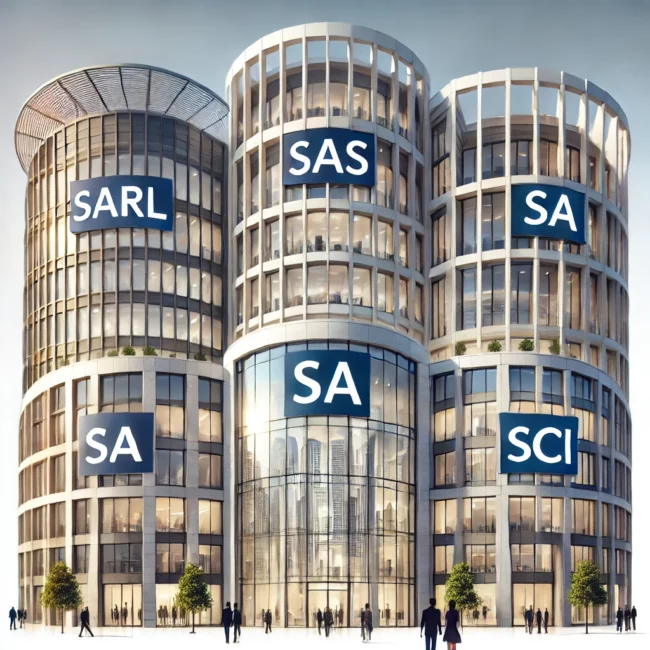
What's the best business structure for your French venture?
The choice of business structure will depend on several factors, including the size and type of your business, the number of owners, and your personal liability preferences. Here are some of the most common business structures in France.
The choice of business structure is a critical decision that can have significant consequences for the success and sustainability of a business. — Robert Kiyosaki, Entrepreneur and Author, Rich Dad Poor Dad, 1997
Simplicity and flexibility: Sole Proprietorship (EI)
Go solo with a sole proprietorship, France’s simplest and most popular business structure! As the sole trader, you’re in full control, with no need for share capital or complex bureaucracy. Since May 15th, 2022, you’ve enjoyed limited liability protection, safeguarding your personal assets. Your business income is taxed as personal income, and you’re exempt from publishing annual accounts: perfect for freelancers, artisans, and entrepreneurs. Ready to take the leap? Check out the French Business Federation’s (MEDEF) comprehensive guide to setting up your sole proprietorship in France.
Key features of Sole Proprietorship:
- Managed exclusively by a natural person, the sole trader, who has full powers to act.
- Limited liability since May 15th, 2022.
- No share capital required.
Limited liability and flexibility: Entreprise Unipersonnelle à Responsabilité Limitée (EURL)
The EURL (Entreprise Unipersonnelle à Responsabilité Limitée) is a versatile business structure that combines the benefits of a SARL with the simplicity of a single-owner entity. With limited liability protection, the partner’s personal assets are safeguarded, except in cases of mismanagement or negligence. This structure offers unparalleled flexibility in management and taxation, making it an attractive option for small and medium-sized businesses. Whether you’re a start-up or an established company, our expert team can guide you through the EURL setup process, ensuring compliance with French regulations and optimizing your business’s potential. Discover how our company setting-up services can help you establish a successful EURL in France.
Key features of EURL:
- Type of SARL with a single partner.
- Limited liability and flexible management.
Partnership and shared responsibility: Limited Liability Company (SARL)
The SARL (Société à Responsabilité Limitée) is France’s most popular business structure, ideal for companies with multiple owners or investors. With a minimum of two partners, this structure offers limited liability protection, safeguarding personal assets and limiting risk to the amount of capital invested. The share capital is flexible, adapting to the company’s size and needs. As an SARL, you’ll benefit from a robust and respected business framework, perfect for start-ups, family businesses, and joint ventures. Want to understand the tax implications of an SARL? Our tax assistance services provide expert guidance to help you navigate French tax regulations and optimize your business’s financial performance.
Key features of SARL:
- Requires at least two partners.
- Partners’ liability is limited to their contribution.
Large-scale projects and limited liability: Public Limited Company (SA)
Take your business to the next level with an SA (Société Anonyme), the go-to structure for large-scale projects and ambitious entrepreneurs! With a minimum share capital of €37,000, this structure offers limited liability protection and the ability to attract multiple partners and shareholders. Perfect for businesses seeking significant investment and looking to raise capital from the public, the SA is a trusted and respected framework for companies with big ambitions.
Key features of SA:
- Suitable for large-scale projects with limited liability.
- Requires a minimum share capital of €37,000.
Flexibility and tax benefits: Société par Actions Simplifiée (SAS) and Société par Actions Simplifiée Unipersonnelle (SASU)
Experience the flexibility you need with an SAS or SASU! These structures offer unparalleled freedom in terms of capital and share transfer, with a minimum of just one shareholder required. The SASU is a top choice for small and medium-sized businesses, providing a high degree of flexibility in management and taxation. Need expert guidance on business and commercial issues? Our specialized services are here to support you, helping you navigate complexities and drive your business forward with confidence.
Key features of SAS and SASU:
- Great flexibility in terms of capital and transfer of shares.
- Requires at least one shareholder.
Joint liability and shared responsibility: Société en Nom Collectif (SNC)
Consider an SNC (Société en Nom Collectif) for a collaborative business approach! This structure requires a minimum of two partners, both of whom must be traders, and offers shared responsibility and liability. Note that partners are jointly and severally liable for the company’s debts. The SNC is a good fit for businesses with multiple owners who want to work together and share the risks. Struggling with debt recovery? Our expert services can help you recover what’s owed and get your business back on track.
Key features of SNC:
- Less common, requiring a minimum of two partners.
- Partners are jointly and severally liable for the company’s debts.
Key considerations for choosing a business structure in France
Each business structure has different tax and social security implications, so it’s essential to analyze your business project carefully. Consider the following factors when choosing a business structure:
- Liability: Consider the level of personal liability you are willing to accept.
- Taxation: Consider the tax implications of each business structure.
- Management: Consider the management structure and decision-making process.
- Capital: Consider the amount of capital required to start and maintain the business.
When it comes to selecting a business structure in France, one size does not fit all. Each business has unique needs and goals, and it’s essential to work with a trusted advisor who can provide personalized guidance and support. — Marc Timmermans, Partner, Tax/Corporate
Get expert advice on choosing the right business structure in France
At My French Lawyer, our registered lawyers are at your disposal to answer your queries and provide accurate advice on choosing the right business structure in France. Our team of experts will guide you through the process, helping you to determine the most suitable structure for your business needs. Whether you’re a start-up, a small business, or a large corporation, we’ll provide you with personalized advice and support to ensure that you make an informed decision. Contact us today to schedule a consultation with one of our experienced lawyers and take the first step towards establishing a successful business in France.